
Last Updated on April 30, 2024 by grubdunkman
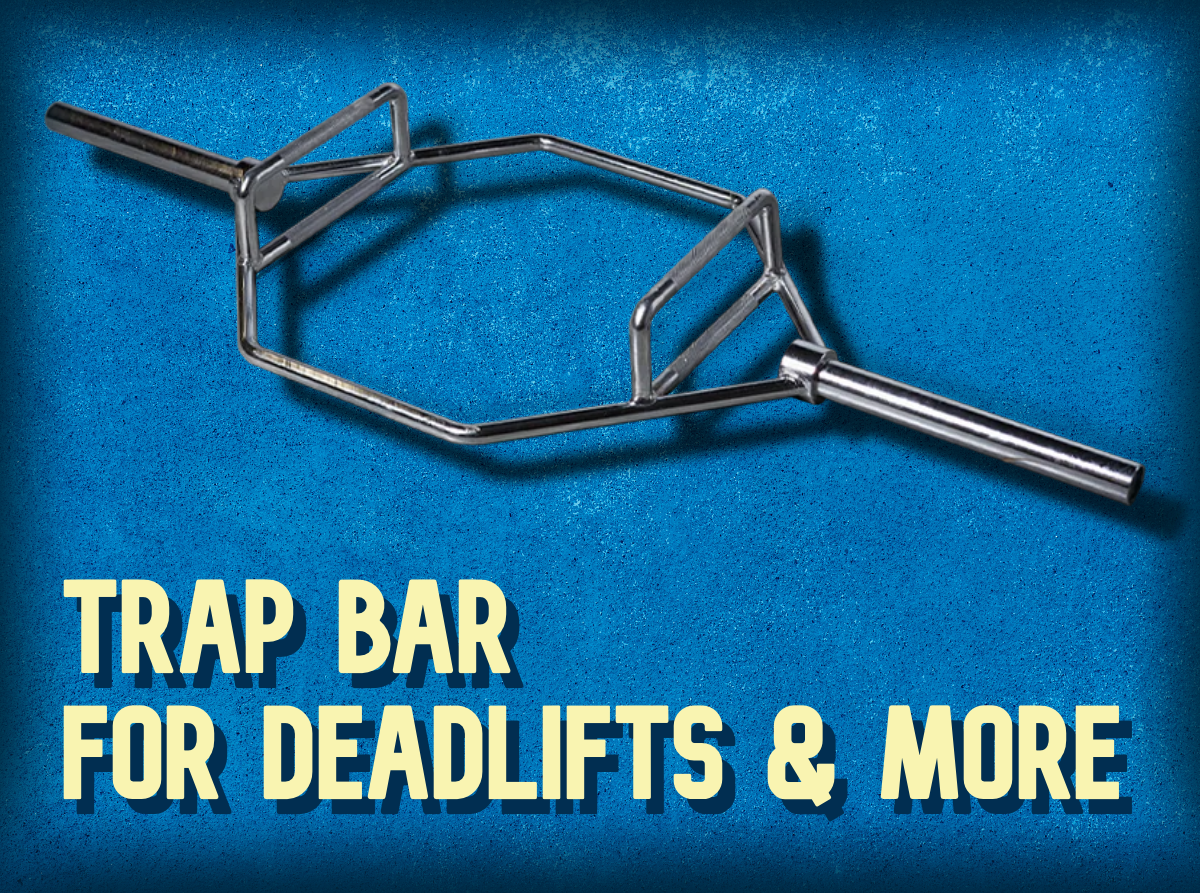
A trap bar, also known as a hex bar or a hexagonal barbell is a specialized piece of weightlifting equipment. It is build in a diamond shape with two handles located on the sides of the athlete parallel to each other. Join us in our exploration what this barbell is used for, what are its features. You will know what exercises you can perform with it and kinds of the hex barbell. At the end of the post we will grab a coffee, sit back and reflect on the need of the trap bar for a home gym.
Benefits of the Trap Bar
The design of the trap barbell lets you achieve several important improvements compared too the regular straight bar. The parallel grip let you use neutral grip position, that reduced pressure on the wrists, elbows and shoulders. Another difference is that the athlete is located inside the barbell. This way the weights are located on the sides, as compared to the weight in front of the athlete when lifting the regular Olympic bar. This improvement in weight distribution helps achieve additional stability. You will maintain neutral position of the spine with less stress on the lower back.
Deadlift With A Trap Bar
Probably the most application of the hex barbell is the deadlift. Utilization of the trap bar lets you perform the deadlift with a neutral grip and weight distribution on the sides. Advantages of these features we mentioned earlier. The trap bar also lets you lift about 10-15 per cent more weight, as a result your weightlifting sessions will be more efficient for strength development and muscle growth.
The trap bar also shifts the focus from the back to the leg muscles, while also training the lower back. The last but not least the trap bar helps you avoid the bruises on the shins when deadlifting.
Romanian Deadlift
Romanian deadlift with a trap bar is a variation off deadlift which helps focus on the muscles of the posterior chain, hamstrings and the glutes. RDL is another name used for this exercise. In this exercise the starting position is standing, with the barbell at the hip level or a bit higher. At also has shorter range of motion that the conventional deadlift, since you don’t lower the barbell completely to the ground. The lowest point is when you feel the stretch in the hamstrings, while keeping the back straight.
Trap Bar Squat
The squat with the trap bar is another great way to utilize this specialized barbell. To make the weight lower the athlete often stands on a small platform, which can be made of a weight plate or two. To perform the exercise you stand on the plate inside the hex bar. For the squat you use the low handle of the barbell, while putting the barbell upside down, so that the high handle is at the bottom and not on your way.

Kinds Of The Hex Barbells
To main kinds of the hex bar are regular diamond shaped barbell and open hex bar. Open bar has the advantage of additional space and clearance on one side. This lets the athlete perform additional exercises that require bigger range of motion, such as lunges.

Hex Bar For The Home Gym?
Hex barbells differ by the size, and if the space saving is an issue, there are models that offer compact design. This makes them suitable for home gym application. These barbells however have shorter sleeves. Depending on the weight you plan to lift full size hex bar can be required. While not been a top priority when building your home gym, many weightlifters choose to have this unique barbell at their home collection. Trap bar deadlifts are considered to be one of the most effective compound exercises for legs development.
To sum it up, let us show a few models of the hex bars we have at our store, that we described in this post:
Compact open hex bar
Full size open hex bar
Full size regular hex bar
We hope we helped you to get enough knowledge, which will make your decision whether you need the hex bar informed!


